
Shipping and Cold Chain for Research Peptides
The quality of a research material at the bench depends not only on how it was made and tested, but on what happened to it between the supplier and your lab. Temperature excursions, moisture, physical damage and delays can all affect material that left the supplier in good condition. This guide explains how shipping conditions […]
Buying Research Peptides in Canada: What to Look For
Canadian laboratories and independent researchers have more choice of research peptide suppliers than ever. That choice makes it harder, not easier, to tell a well-documented supplier from one that simply looks professional. This guide sets out practical criteria for evaluating a supplier of research peptides in Canada: documentation, testing, transparency, shipping and the terms of […]
Reconstitution Basics for Lyophilized Peptides in the Lab
Most research peptides arrive as a lyophilized (freeze-dried) solid. Before the material can be used in an in-vitro assay, it usually has to be dissolved, or reconstituted, at a known concentration. Reconstitution sounds simple, but small mistakes in solvent choice, technique or calculation can change the concentration, damage the peptide, or introduce contamination. This guide […]
HPLC and Mass Spec Purity Testing for Peptides, Explained
“99% pure” appears on almost every research peptide listing, but the number only means something when you know how it was measured. Most peptide purity claims rest on two complementary techniques: high-performance liquid chromatography (HPLC), which separates and quantifies the components of a sample, and mass spectrometry (MS), which confirms that the main component has […]
How to Read a Peptide Certificate of Analysis (COA)
A Certificate of Analysis (COA) is the single most useful document a laboratory receives with a research peptide. It records what the material was tested for, which methods were used, and what the results were for a specific lot. Reading one carefully takes a few minutes and can prevent weeks of work on material that […]
How to Store Lyophilized Peptides in the Lab
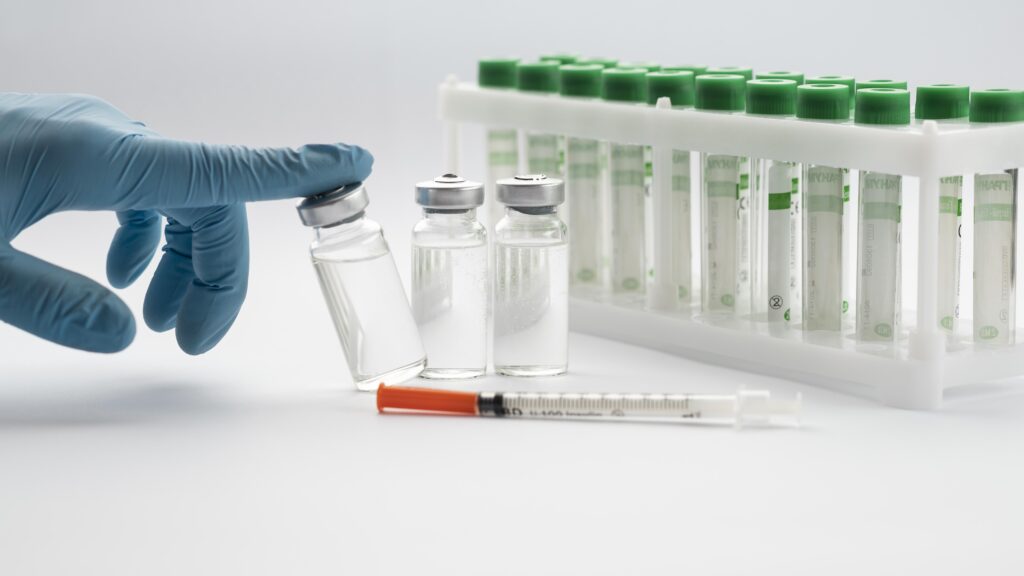
Synthetic peptides are usually supplied as a lyophilized (freeze-dried) solid, and how that solid is stored has a direct effect on whether the material in the vial still matches its Certificate of Analysis months later. This guide covers how to store lyophilized peptides in a laboratory setting: temperature, light, moisture, handling of opened containers, and […]
GHK-Cu (Copper Peptide): A Research Overview of Its Biological Properties
Check The Availability GHK-Cu (Copper Peptide): A Research Overview of Its Biological Properties GHK-Cu is a naturally occurring copper-binding tripeptide that has gained significant traction in laboratory research due to its unique interactions with cellular signaling pathways, gene expression, and tissue resilience. While its molecular structure is simple, its biological impact is a subject of […]
BPC-157: A Research Overview of Its Biological Properties
Get BPC-157 BPC-157 (Body Protection Compound-157) BPC-157 is a peptide that has drawn significant attention in laboratory research due to its interactions with cellular signaling pathways involved in tissue response, vascular dynamics, and biological resilience. While its name may sound complex, the underlying biology can be understood with a clear, foundational approach. This article introduces BPC-157 […]
What Is NAD+? A Research-Only Overview of Its Role in Cellular Metabolism
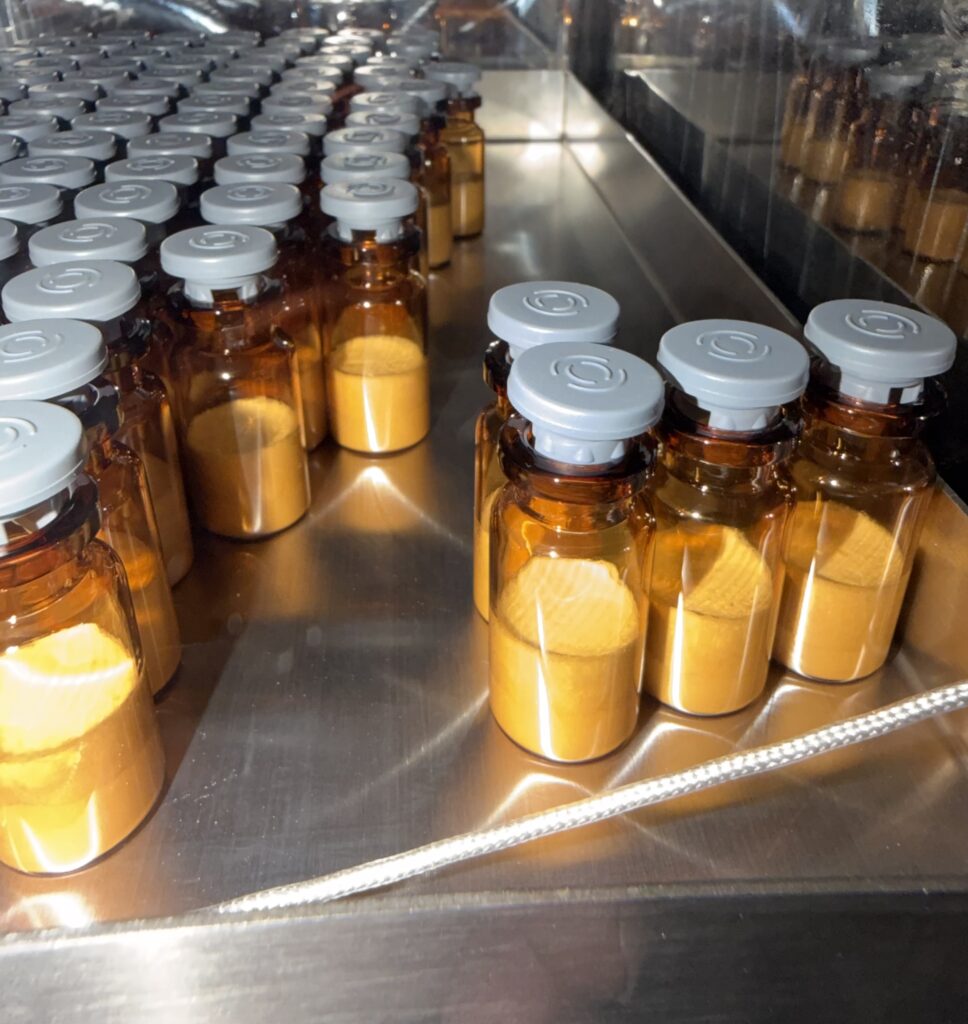
NAD+ is a central coenzyme in redox reactions and energy metabolism. This research-only overview covers NAD+ biology, biosynthesis pathways, and common analytical approaches used to quantify it in laboratory settings.